Storing the Earth, Serving Humanity: Lessons from EODC and UNOOSA
- Published on
- Authors

- Name
- Victor Ademoyero
- @vickystickz
Overview
As part of the Copernicus Hubs and Institutions course (651031), I participated in a one-day excursion to Vienna to see how earth observation infrastructure and space-based data are organised, managed, and applied in the real world. The day covered two very different institutions: the Earth Observation Data Centre (EODC) in the morning and the United Nations Office for Outer Space Affairs (UNOOSA) in the afternoon.
The two visits sat at opposite ends of the same story. EODC showed the national side, the high-performance computing and data processing that underpins the Copernicus ecosystem in Austria. UNOOSA widened the lens to the global level, showing how space-based information becomes policy, capacity building, and real support for countries that need it most.
Where and When Did I Go, and Whom Did I Meet?
The excursion took place on 26th May 2026 in Vienna, where I joined the group at EODC. Both institutions we visited are based in the city, so the day moved from a national data centre in the morning to a UN office in the afternoon.
Coming into the day, I mainly wanted to connect what I have been learning about geospatial and earth observation data to how it actually works in practice. I was curious to see the infrastructure behind the data rather than just the data itself, so the computing side of EODC was something I looked forward to. For UNOOSA, I hoped to understand how international bodies coordinate space-based work, and to come away with a clearer sense of the wider community and resources I could tap into.
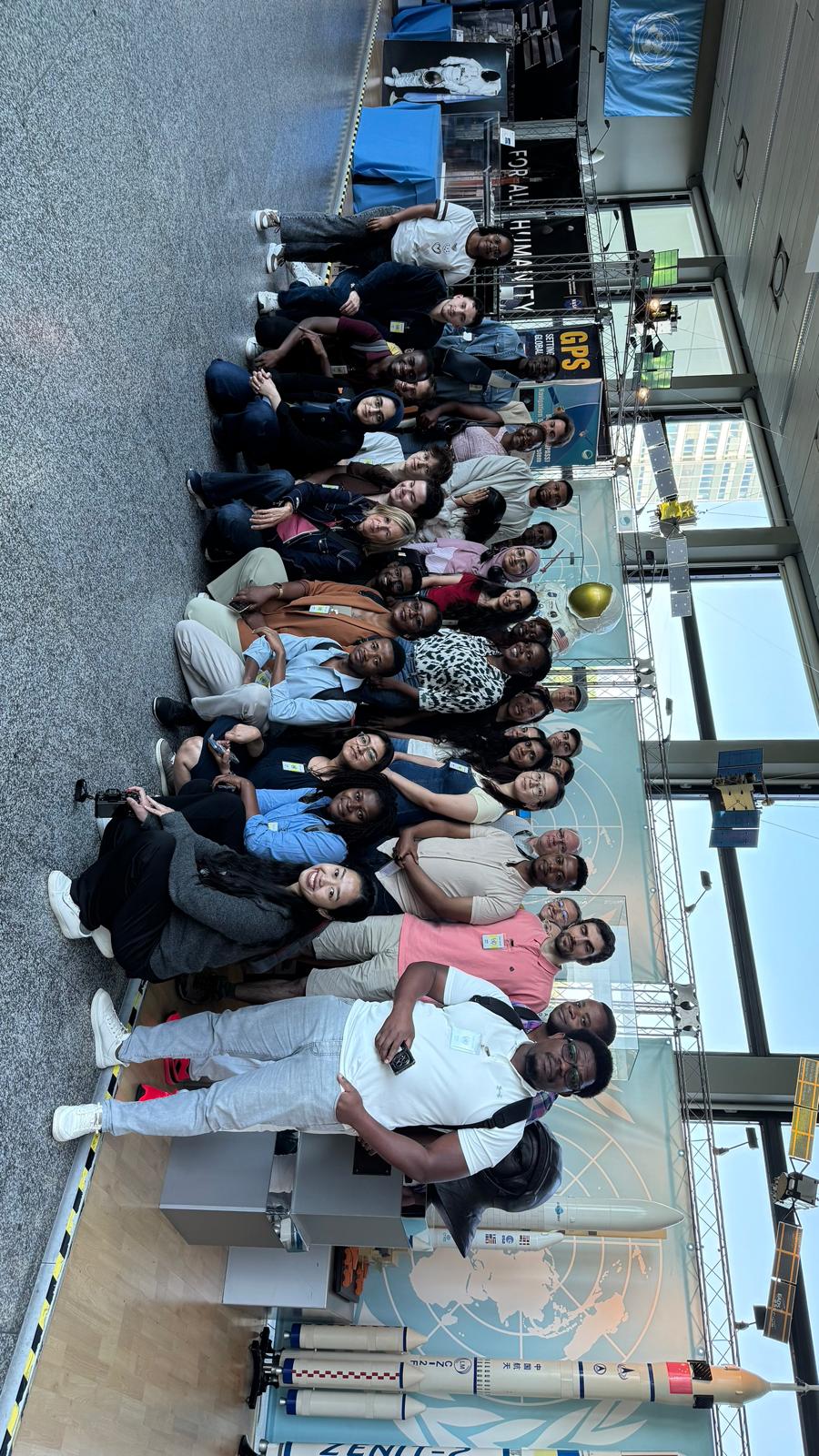
Fig 1.0 The excursion group in Vienna
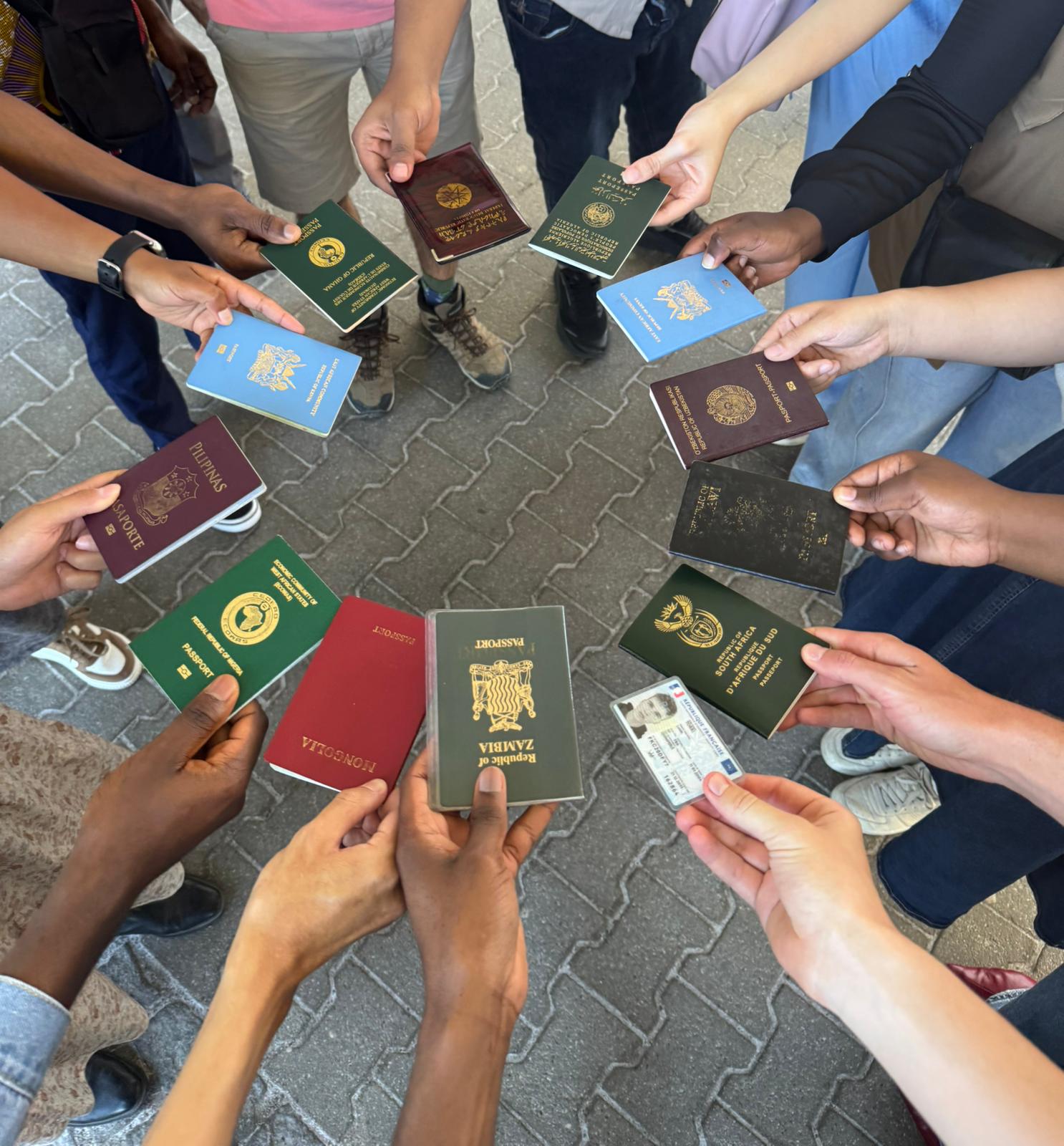
a collage of our passports from across the world
What I Learnt at EODC
At the first location we attended two presentations, one on high-performance computing through ASC and one on EODC itself.
High-Performance Computing
What stuck with me on the computing side was how long and how deliberately this has grown. The story starts with the Vienna Scientific Cluster (VSC) in 2009 and traces through successive generations. VSC-4 served as the earlier workhorse, while VSC-5, installed in 2022, marked a clear jump at around 4.30 PFlops across 12 GPU-heavy racks with fast storage and liquid cooling. MUSICA (Multi-site Computer Austria) adds another 6 racks, a large pool of GPUs, and read storage near 1 Tb/s.
Energy turned out to be a real constraint. A demand of about 1 megawatt forced the VSC to relocate, and cooling now relies on direct liquid and hot water cooling. I also learned that access happens through cloud services rather than at the machine itself, the systems run on OpenStack with software delivered via EESSI, and the wider picture includes EuroHPC, the AI Factory Austria coming in 2027, and Quantum Austria funded by FFG with Innsbruck as the quantum hub.
Seeing VSC-4, VSC-5 and MUSICA in the server rooms afterwards made the whole thing feel tangible in a way the slides could not.
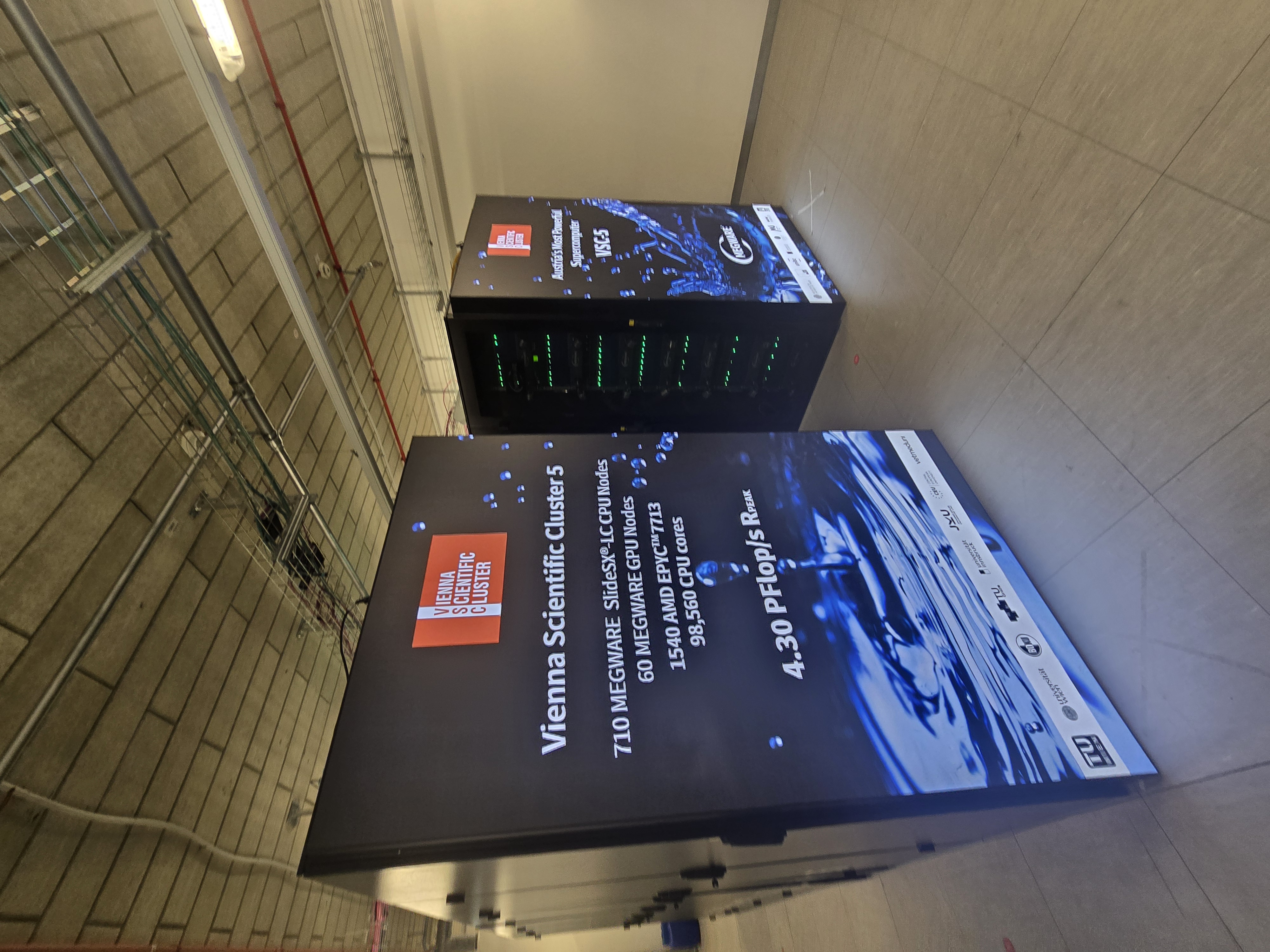
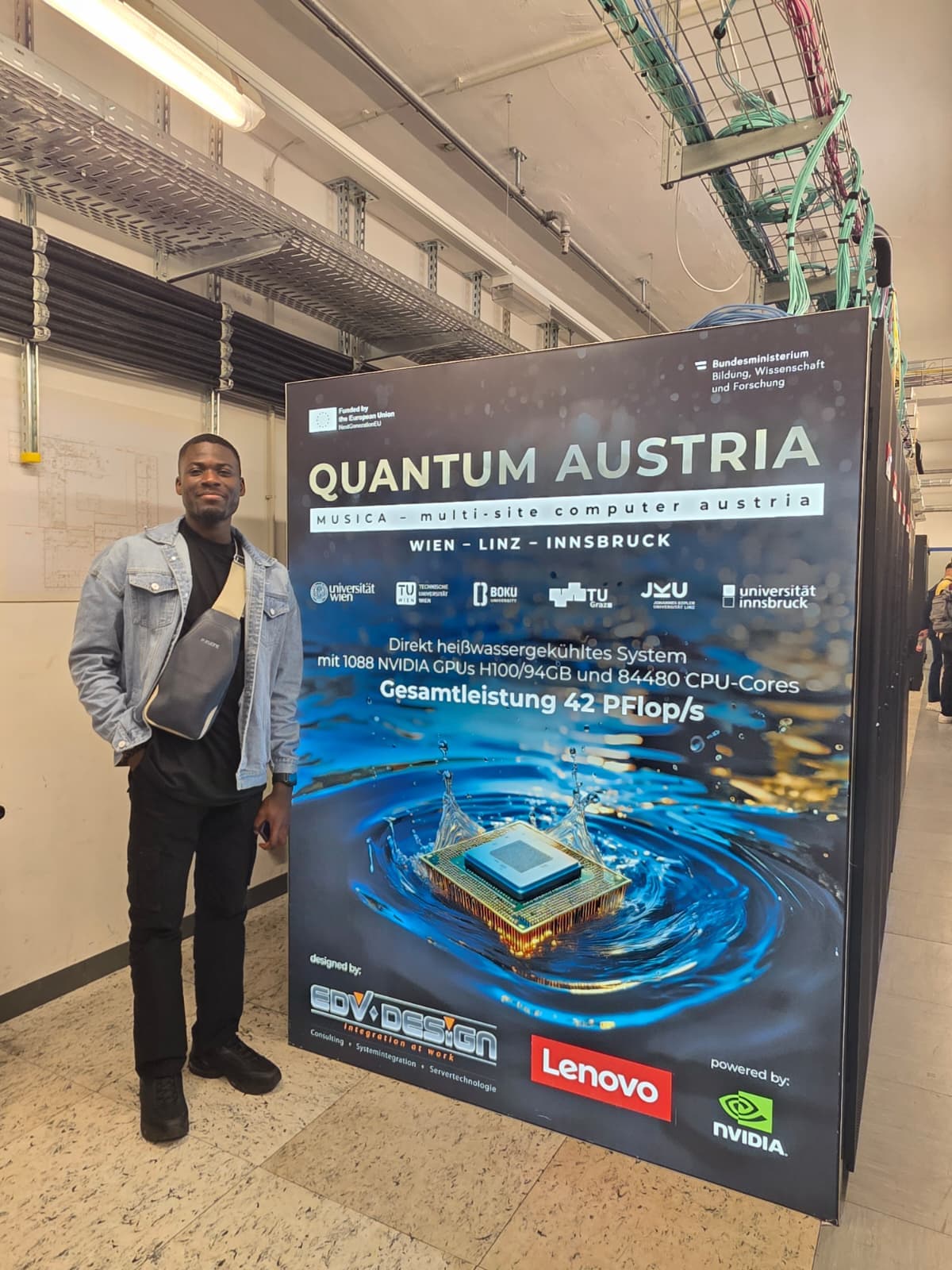
Fig 2.0 The Quantum Austria display on the way to the server rooms
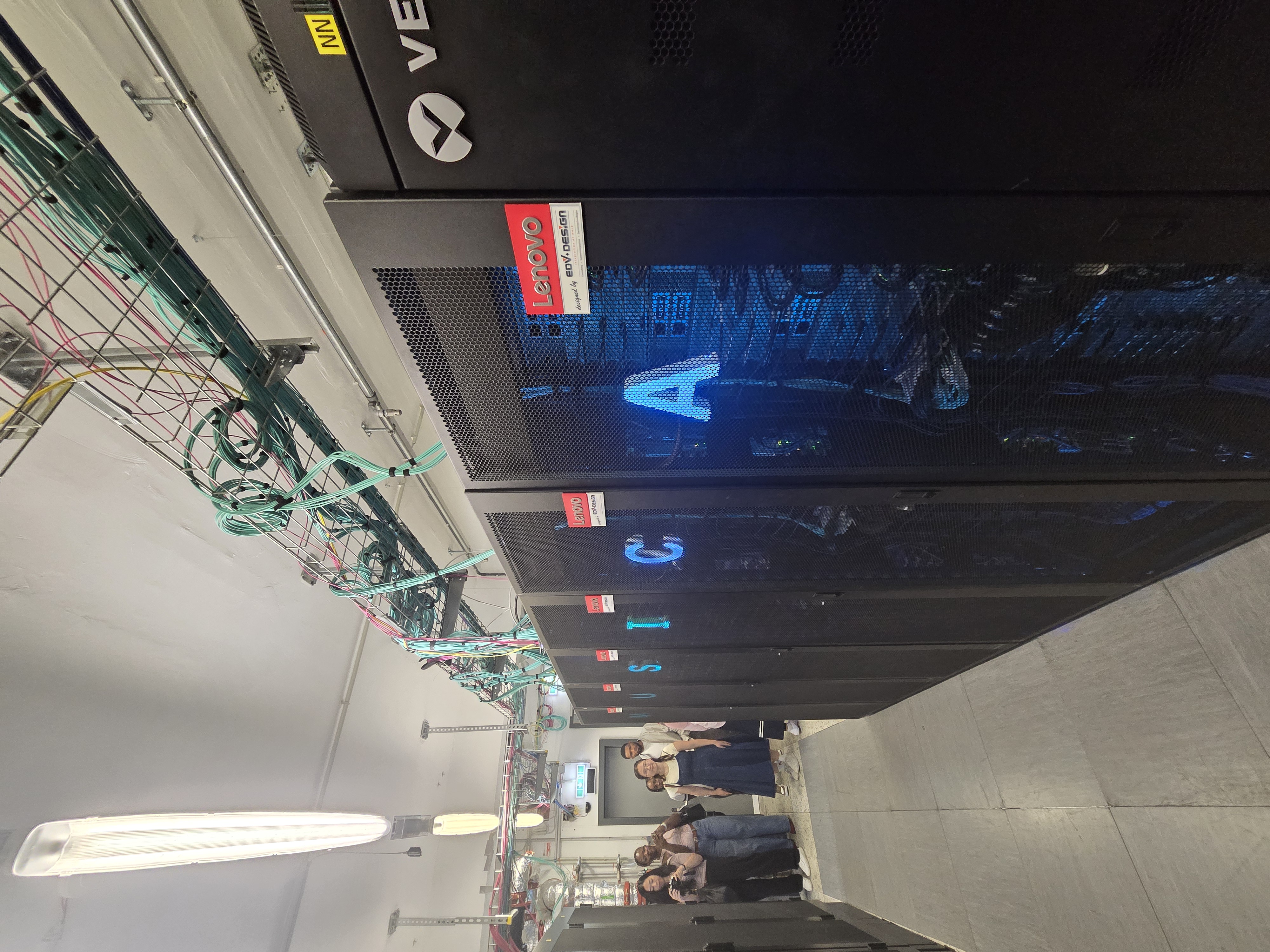
Fig 2.1 The VSC-5 information board, showing 4.30 PFlops and the cluster specifications
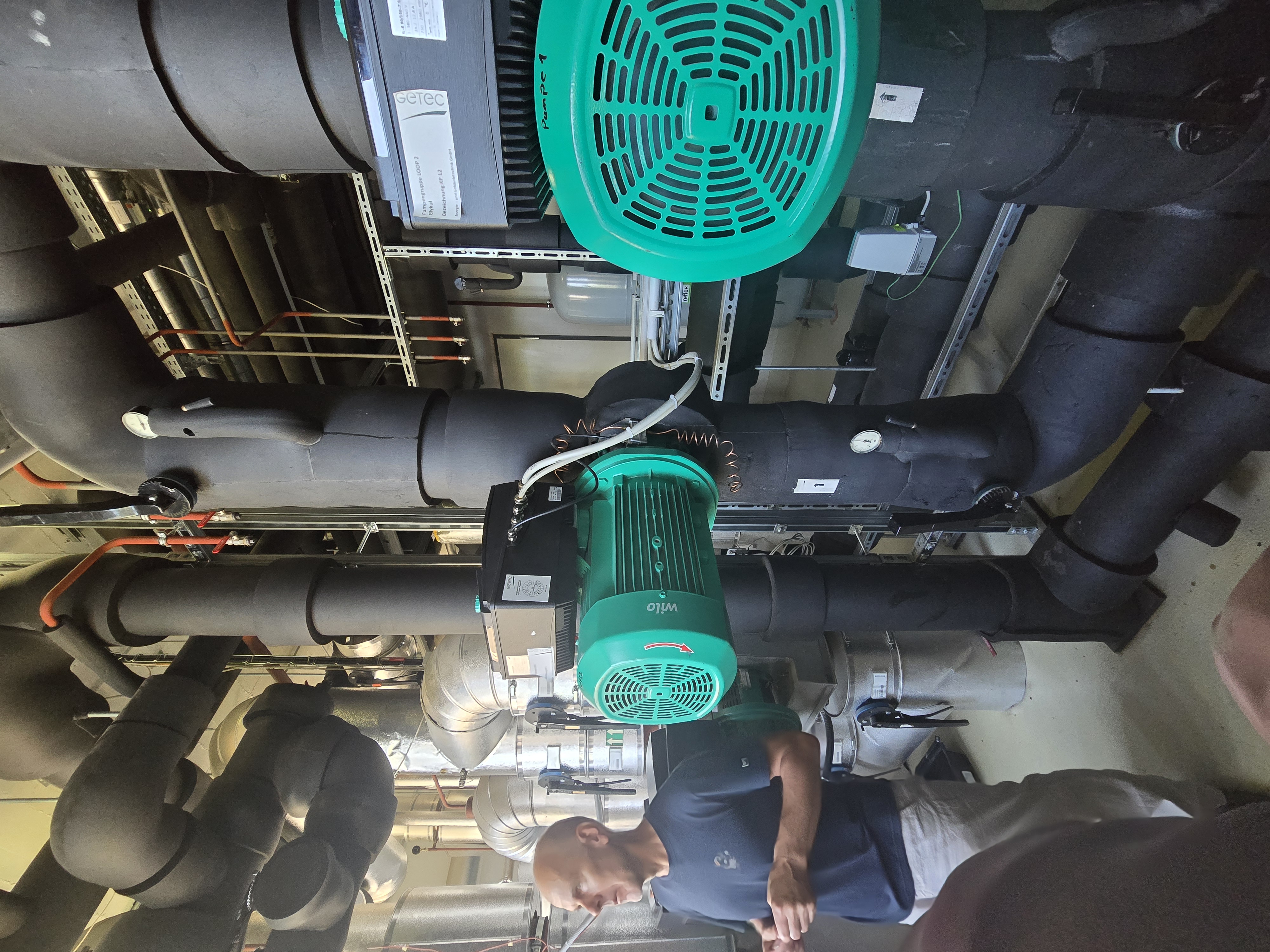
Fig 2.2 Inside the server room, standing in front of the MUSICA racks
EODC and Turning Data into Knowledge
The second presentation covered EODC and its goal of turning data access into knowledge. The VSC and EODC synergy goes back to 2014, and EODC now acts as a processor for Copernicus data. GeoSphere Austria used to source Sentinel data here but now gets it through CDSE.
EODC supports services like flood monitoring and climate work, with a growing role in C3S. The model is that partners bring algorithms which get run on the data, with examples like the ESA Climate Change Initiative pulling from 19 satellites. The standout concept for me was the Austria Data Cube, which makes earth observation data analysis-ready and is directly relevant to the kind of geospatial work I do.
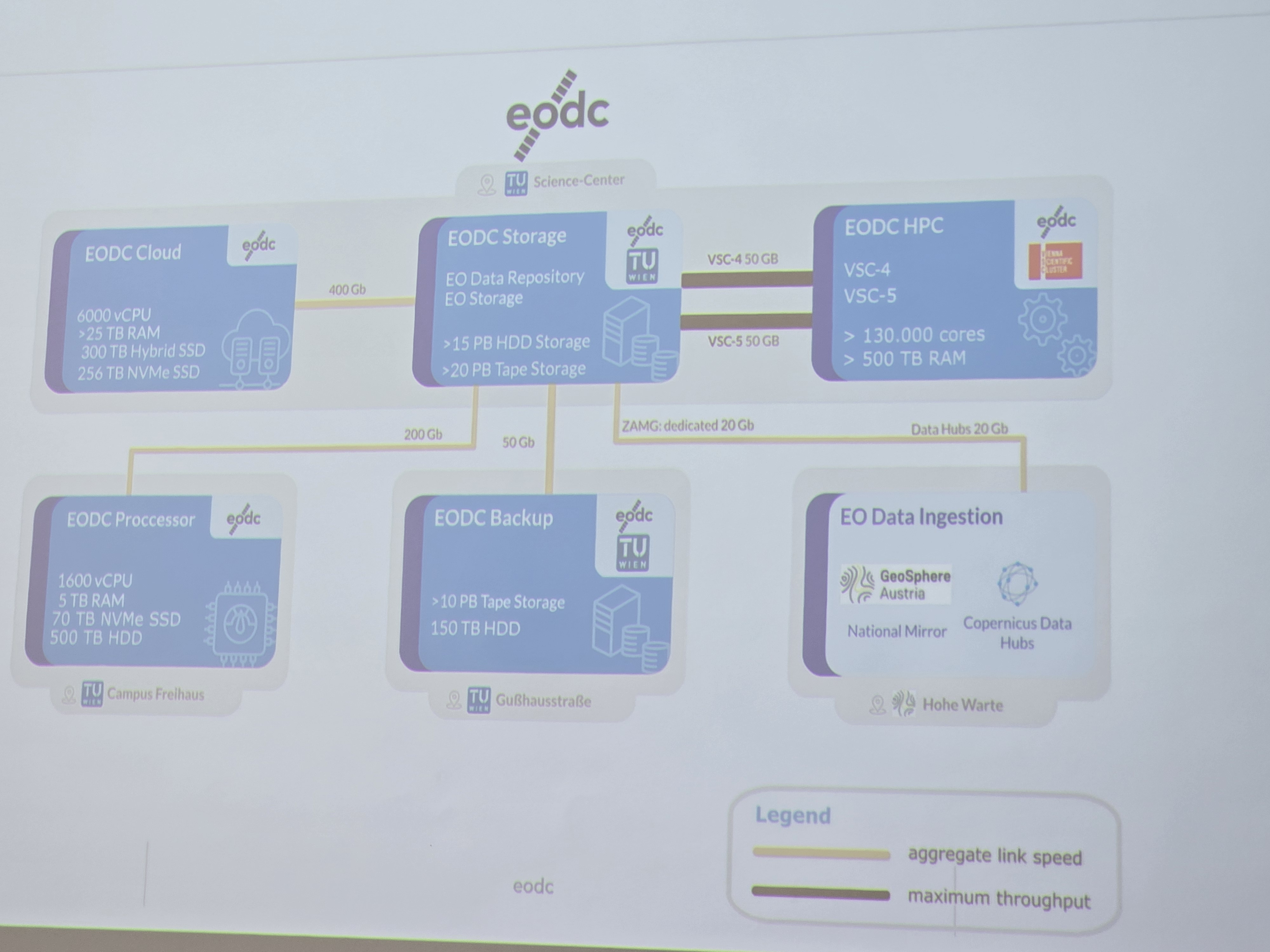
Fig 2.3 The EODC system architecture, showing the cloud, storage, processing, backup and EO data ingestion components
What I Learnt at UNOOSA
The afternoon session made clear that UNOOSA is not just a policy office. It runs practical programs that turn international frameworks into real support, especially for countries that need it most.
UN-SPIDER
The part that stuck with me was UN-SPIDER, the UN Platform for Space-based Information for Disaster Management and Emergency Response. It works through three kinds of missions: Technical Advisory Missions (TAM), Institutional Strengthening Missions (ISM), and Expert Missions (EM).
The impact figures put the scale into perspective: more than 100 capacity-building missions, over 50 supported countries, and more than 40 TAMs delivered across places like Namibia, Mozambique, Nepal, the Philippines and Sri Lanka. What I had not expected was how decentralised it is, run through a wide network of Regional Support Offices spread across the globe, each one bridging the gap between space data being available and local institutions being able to use it. It was also good to see that they support the National Space Research and Development Agency (NASRDA) in my home country, Nigeria.
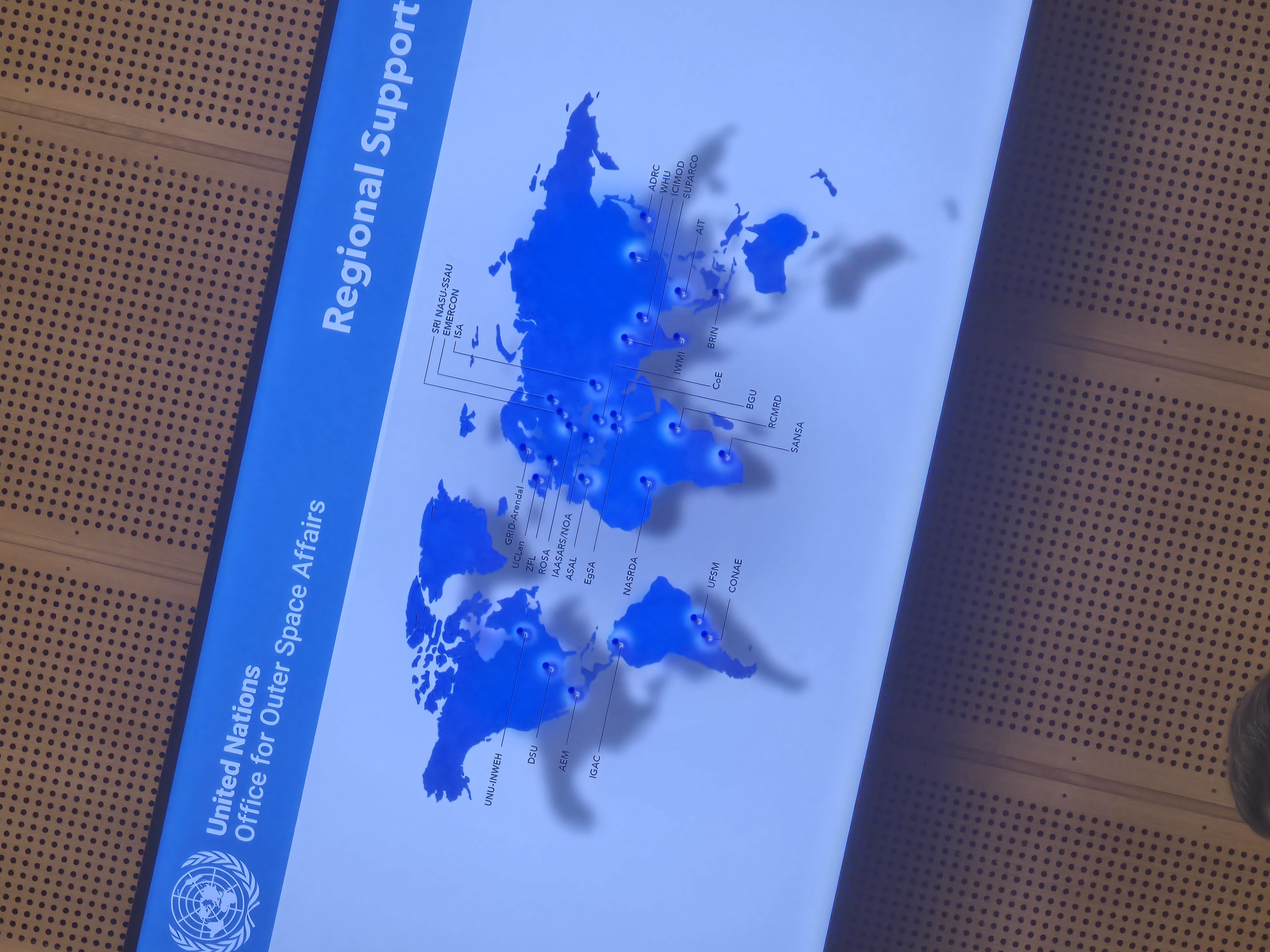
Fig 3.0 The UN-SPIDER network of Regional Support Offices around the world
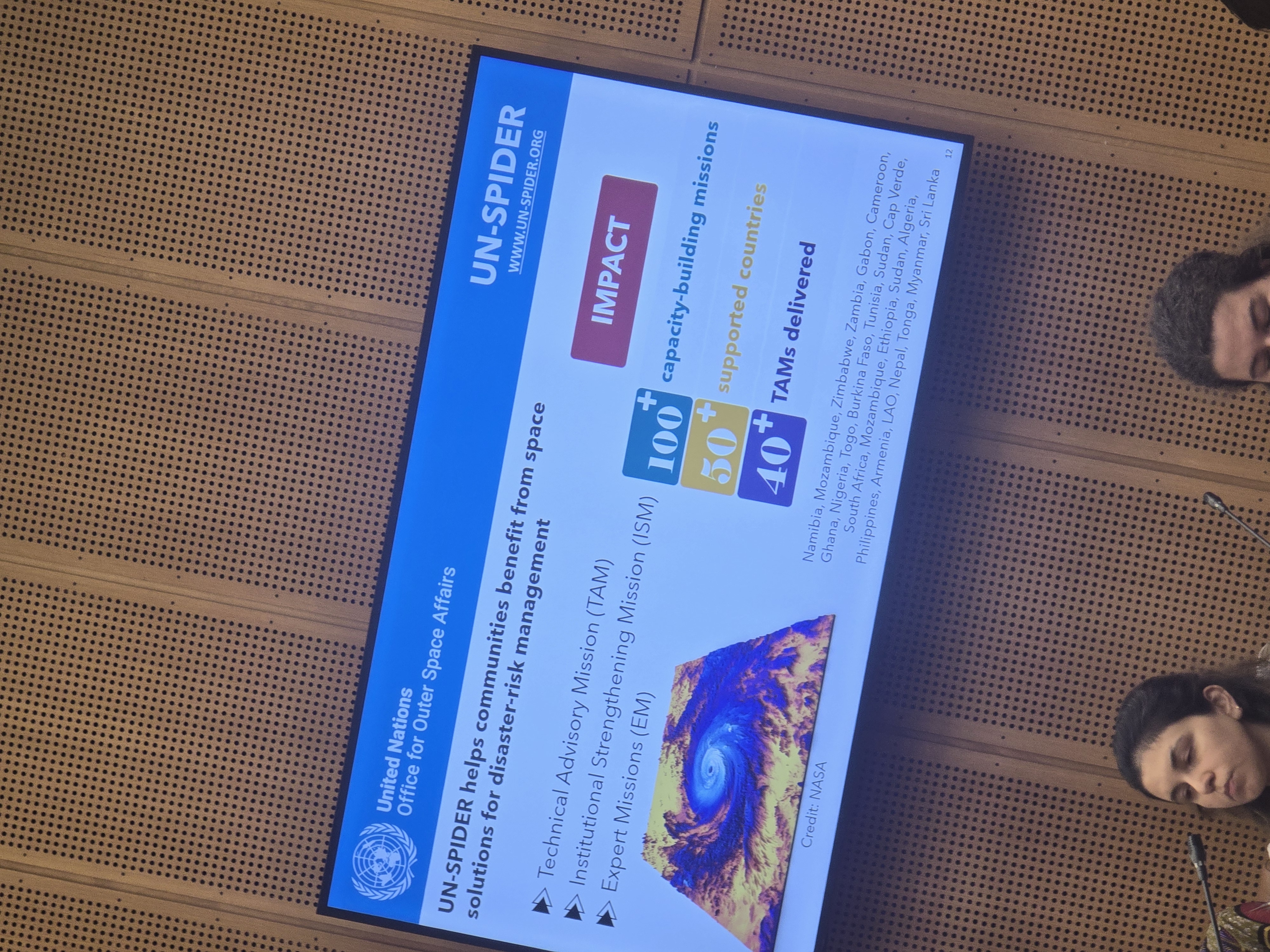
Fig 3.1 UN-SPIDER impact figures: 100+ capacity-building missions, 50+ countries, 40+ TAMs delivered
A more technical highlight was the use of GNSS for disaster risk reduction, a good reminder that positioning and navigation reach well beyond everyday use and can feed into monitoring, early warning and response coordination. I also noted the free UN-SPIDER mini course for students and practitioners, which I plan to explore.
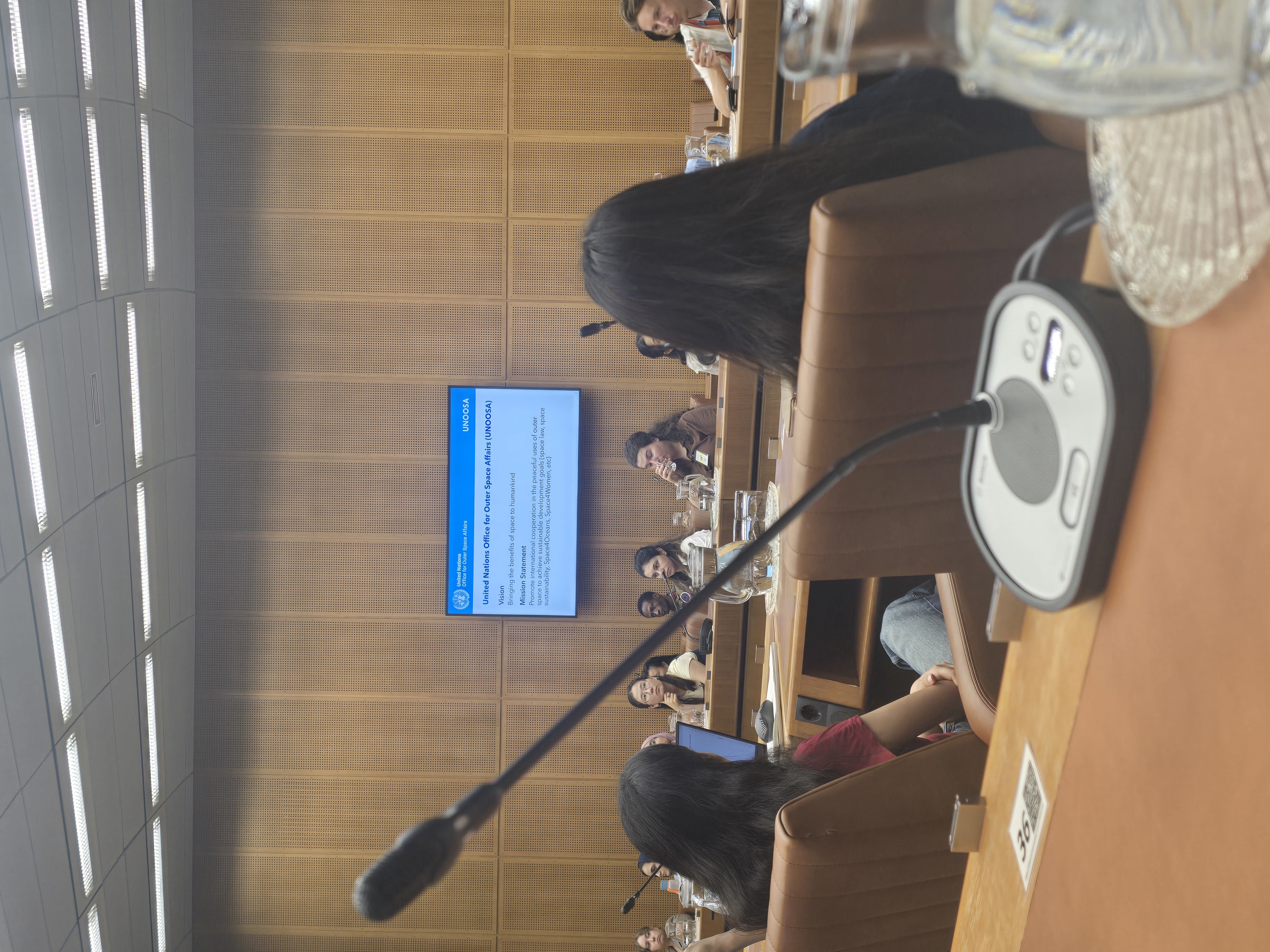
Fig 3.2 The UNOOSA session in the conference room
The Exhibition Centre
The exhibition centre afterwards made the global side of space feel tangible. I saw a model of the China Space Station, completed in 2022 and built for a crew of six, alongside displays on China's Chang'e III mission and the Yutu lunar rover, plus banners from NASA ("For All Humanity") and the US GPS programme. Seeing different nations' contributions side by side fit the wider theme of space as something shared across humanity.
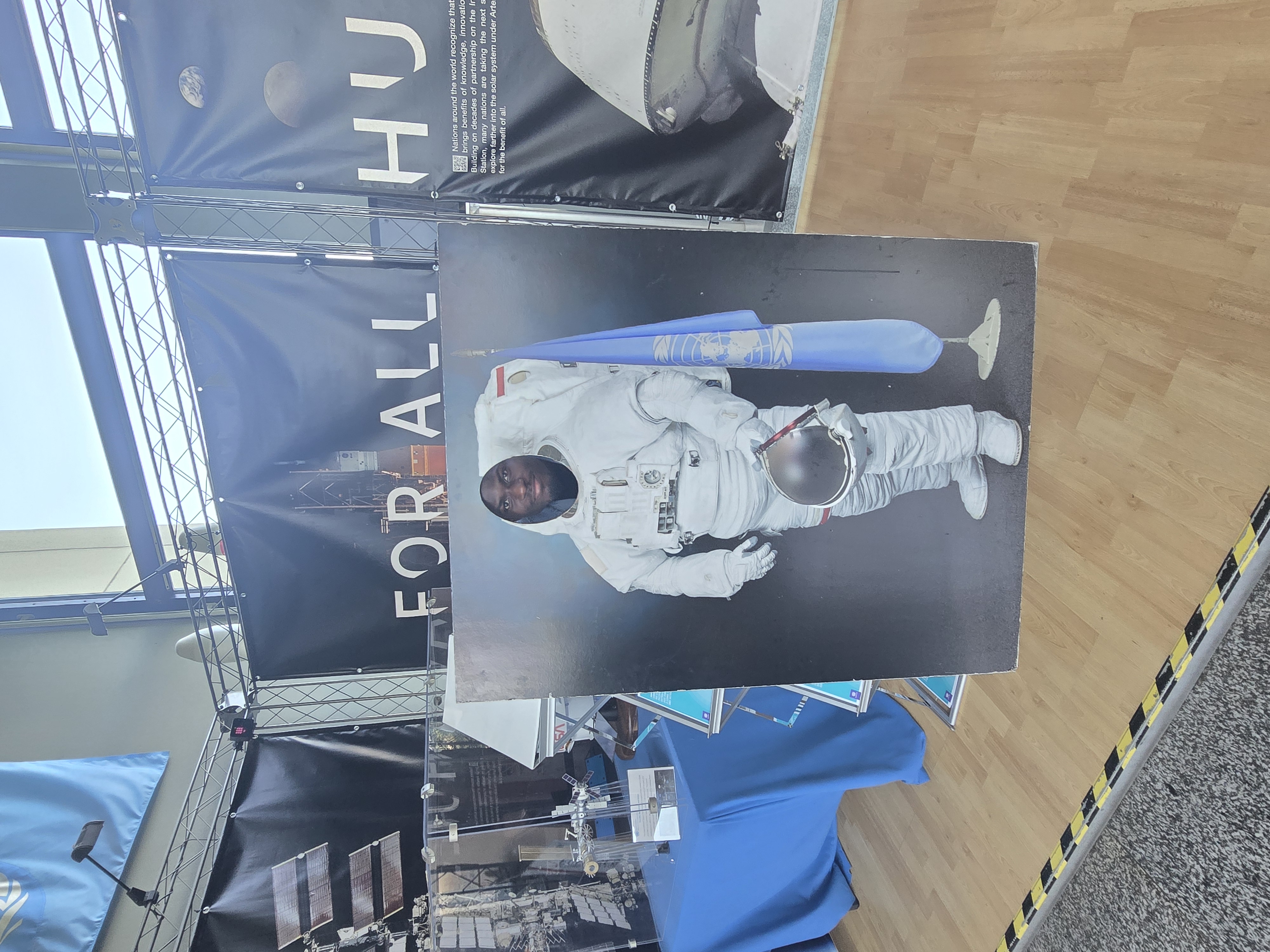
Fig 3.3 Standing beside the NASA "For All Humanity" banner in the exhibition centre
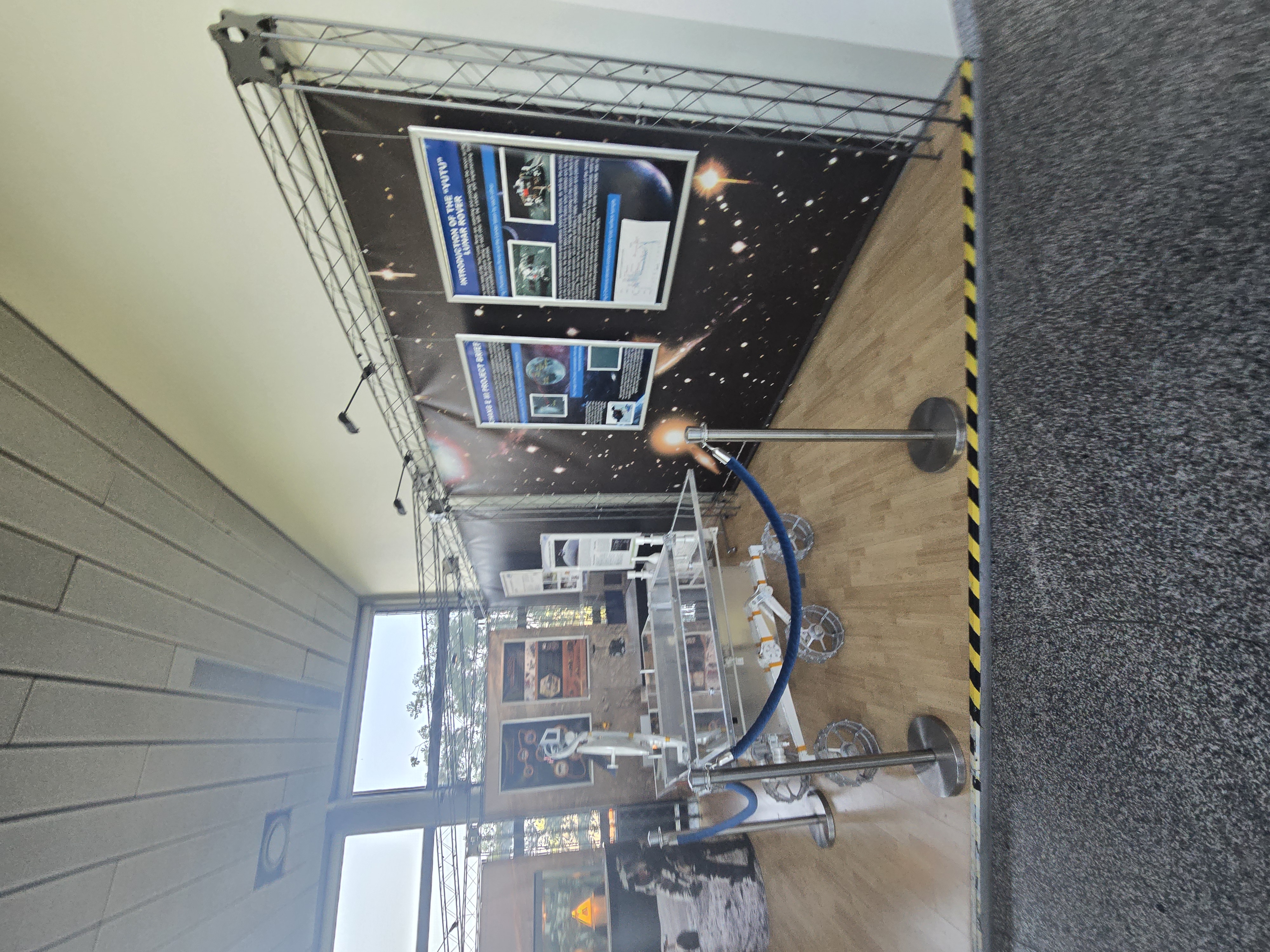
Fig 3.4 The lunar mission display in the UNOOSA exhibition centre
My Reflections
This excursion gave me the chance to visit both a data centre and a UN office for the first time, and seeing the two side by side shifted how I think about earth observation. It is easy to focus on the technical side, the petabytes of data being stored and the processing power needed to analyse it, but what stayed with me was the reminder that none of this matters unless the data is actually put to use for the right purpose, which is improving society.
EODC made this concrete on the infrastructure side, and its business model made a lot of sense to me. Being well structured around the data centre itself gives them a clear and sustainable way to turn storage and computing into real services and partnerships.
The UNOOSA visit left the strongest impression on me. The initiative is genuinely profound in what it sets out to do, and honestly, I came away feeling it deserves more funding and attention than it seems to get. Countries should be given a clear reason to back it, especially when it comes to helping low-income countries use space-based information to tackle real community challenges like disaster response. Seeing how a relatively lean programme reaches so many countries made me think that the gap is not really about technology being available, but about the support and resources needed to put that technology in the right hands.
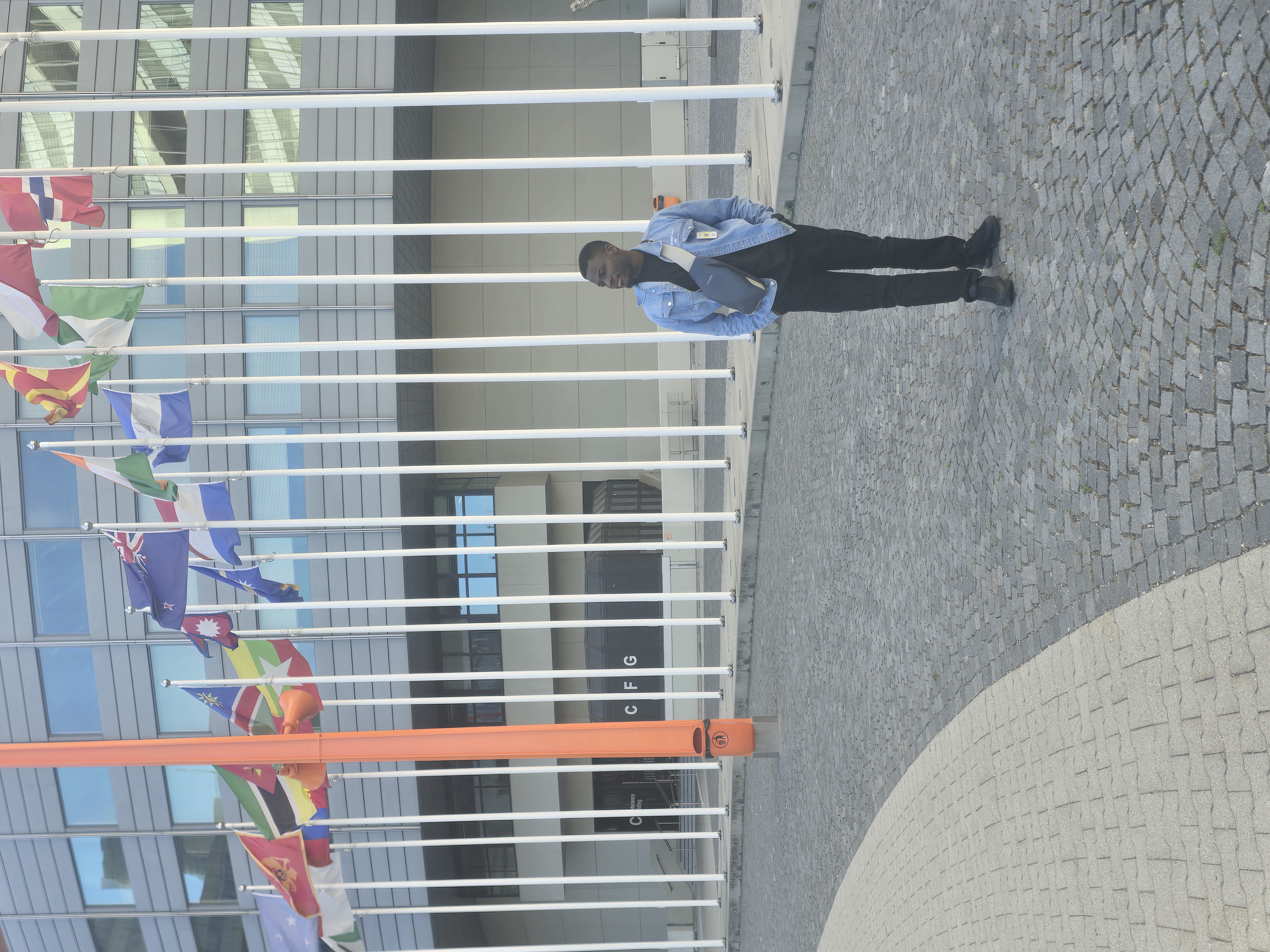
Fig 4.0 Outside the UN building in Vienna, under the flags